TRT Testicular Atrophy & Infertility: What Men Need to Know
Testosterone Replacement Therapy (TRT) has become a lifeline for countless men suffering from the debilitating effects of low testosterone, or hypogonadism. Symptoms like chronic fatigue, decreased libido, mood disturbances, and muscle loss can significantly impact quality of life. While TRT effectively addresses these issues by restoring testosterone levels, it also introduces a set of crucial considerations that every man, especially younger individuals or those planning a family, must understand. Among the most significant are the potential for testicular atrophy and impaired fertility. As discussions around these critical health topics continue to evolve, particularly insights highlighted around mid-June in various men's health forums, understanding the complexities of TRT is paramount.
For individuals like the 24-year-old in South America, who found himself grappling with hypogonadism and an inexperienced doctor, the concerns are very real and immediate. Being told that continued TRT at 125mg/week could lead to infertility is a stark warning that underscores the need for comprehensive knowledge and expert medical guidance. This article aims to delve into the intricate relationship between TRT, testicular atrophy, and infertility, offering vital information and actionable advice for men considering or currently undergoing testosterone replacement.
The Link Between TRT, Testicular Atrophy, and Infertility
Understanding why TRT can lead to testicular atrophy and infertility requires a brief look at the body's natural testosterone production process. The hypothalamus, pituitary gland, and testes work in a delicate feedback loop known as the Hypothalamic-Pituitary-Gonadal (HPG) axis. When the brain senses low testosterone, the hypothalamus releases Gonadotropin-Releasing Hormone (GnRH), which prompts the pituitary gland to secrete Luteinizing Hormone (LH) and Follicle-Stimulating Hormone (FSH). LH stimulates the Leydig cells in the testes to produce testosterone, while FSH is crucial for spermatogenesis (sperm production) within the seminiferous tubules.
Understanding Testicular Atrophy on TRT
When you introduce exogenous (external) testosterone into your body through TRT, your brain perceives that there's enough testosterone circulating. Consequently, it signals the hypothalamus to reduce or stop GnRH production, which in turn leads to a significant decrease in LH and FSH secretion from the pituitary. Without the stimulation of LH, the Leydig cells in the testes become less active, leading to a reduction in their size and function – this is known as testicular atrophy. The testes, no longer needing to produce their own testosterone, effectively shrink due to disuse.
This atrophy is often one of the most visible side effects of TRT. While not inherently dangerous, it can be a source of discomfort, concern, and embarrassment for many men. The degree of atrophy can vary depending on the TRT dosage, duration, and individual physiological response.
How TRT Affects Sperm Production and Fertility
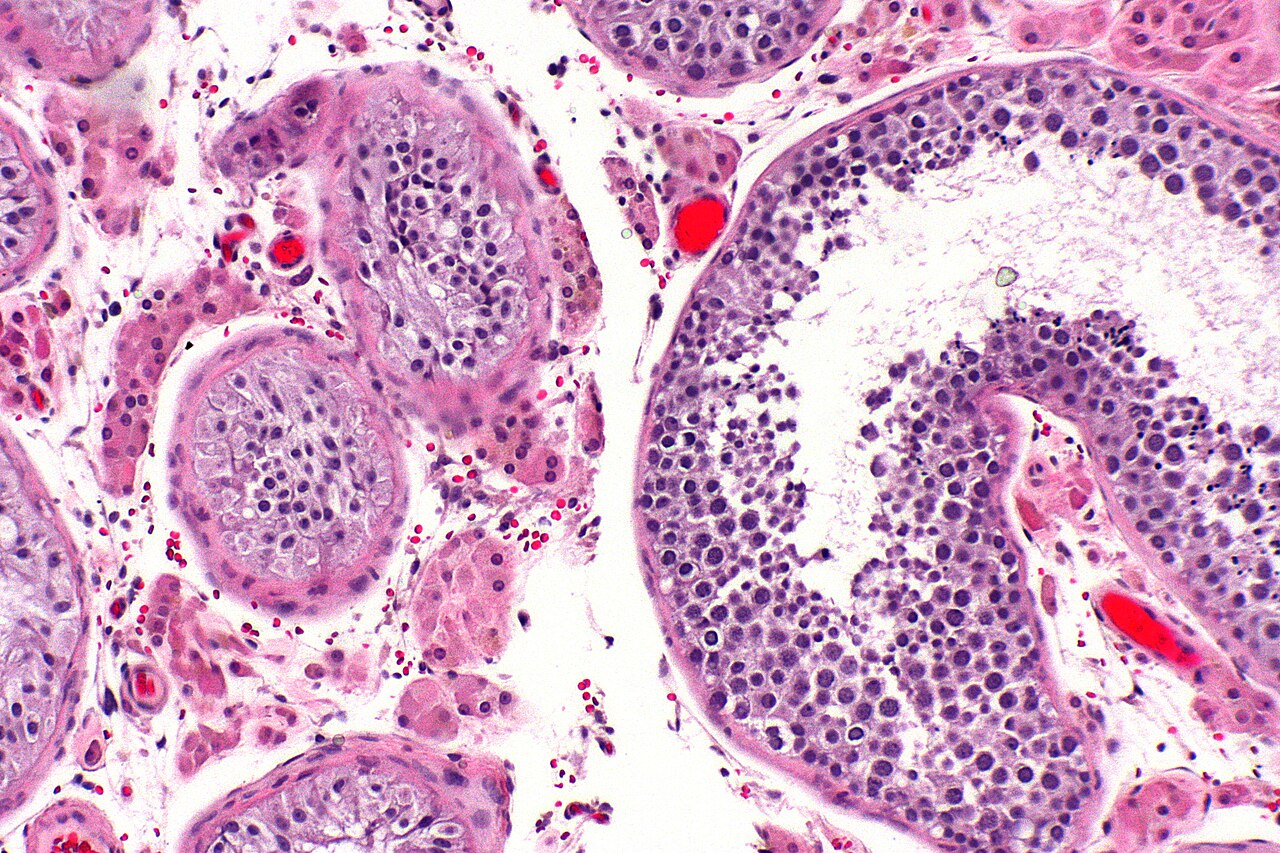
The suppression of FSH is the primary mechanism through which TRT impacts fertility. As FSH is vital for initiating and maintaining spermatogenesis, its absence can significantly impair or even halt sperm production. This can lead to oligozoospermia (low sperm count) or even azoospermia (complete absence of sperm), rendering a man infertile. This is a critical point for younger men or those who wish to father children in the future, as TRT is generally used as a form of male contraception due to its effectiveness in suppressing sperm production.
It's important to clarify that while TRT can cause infertility, it is generally reversible for most men once TRT is discontinued. However, the time it takes for fertility to return can vary widely, from several months to over a year, and in some rare cases, it may not fully recover.
Navigating Treatment: What to Discuss with Your Doctor
The potential for testicular atrophy and infertility necessitates a thorough discussion with a knowledgeable healthcare professional before initiating TRT. This is particularly crucial given the experiences of men who encounter less experienced practitioners, especially in regions with limited specialized options. An open and honest conversation about your current and future family planning goals is essential.
Pre-TRT Fertility Assessment
Before starting TRT, especially if fertility is a concern, your doctor should conduct a comprehensive fertility assessment. This typically includes:
- Semen Analysis: To establish a baseline sperm count, motility, and morphology.
- Hormone Panel: Measuring baseline LH, FSH, total testosterone, free testosterone, estradiol, and prolactin.
- Discussion of Family Planning: Explicitly outlining your desire for children now or in the future.
If you plan to have children in the near future, some doctors may recommend delaying TRT or exploring alternative treatments for hypogonadism that are less suppressive to the HPG axis.
Strategies to Mitigate Atrophy and Preserve Fertility
For men who need TRT but wish to preserve fertility and prevent significant testicular atrophy, several strategies can be employed:
- Human Chorionic Gonadotropin (hCG): hCG mimics the action of LH, stimulating the Leydig cells in the testes to produce their own testosterone and maintain their size. It can be administered alongside TRT to help prevent atrophy and preserve intratesticular testosterone levels, which are critical for spermatogenesis. hCG is often prescribed at specific dosages and frequencies (e.g., 250-500 IU 2-3 times per week) to complement the TRT protocol.
- Selective Estrogen Receptor Modulators (SERMs): Medications like Clomid (clomiphene citrate) or Nolvadex (tamoxifen) can stimulate the pituitary to produce more LH and FSH by blocking estrogen's negative feedback. While not technically TRT, SERMs can be used to increase endogenous testosterone production and potentially preserve fertility in some men with secondary hypogonadism, making them an alternative for those prioritizing fertility.
- Gonadotropin Therapy (FSH/LH injections): In cases where fertility is the primary concern and hCG alone isn't sufficient, exogenous FSH and LH (or hMG, which contains both) can be administered directly to stimulate sperm production. This is often a more aggressive and costly approach, typically managed by fertility specialists.
- Sperm Banking: For men initiating TRT who have confirmed healthy sperm counts and foresee future family planning, banking sperm beforehand is a prudent option to ensure future fertility regardless of TRT's effects.
The Importance of an Experienced Clinician
The complexities of TRT, especially concerning fertility and atrophy, underscore the necessity of consulting an experienced doctor specializing in men's health and endocrinology. An expert can:
- Properly diagnose the type and cause of hypogonadism.
- Tailor a TRT protocol that considers your individual health goals, including fertility.
- Monitor your hormone levels comprehensively, including estrogen, to ensure optimal balance.
- Advise on and manage adjunctive therapies like hCG or SERMs.
- Provide guidance on potential risks and benefits, ensuring you make informed decisions.
Navigating these choices with an unqualified practitioner can lead to suboptimal outcomes, unnecessary distress, and potentially irreversible fertility issues.
Beyond Fertility: Comprehensive Hormone Management
While testicular atrophy and infertility are significant concerns, a holistic approach to TRT involves monitoring and managing other aspects of your hormone health. Testosterone is part of a broader endocrine system, and its replacement can impact other crucial hormones and bodily functions.
The Estrogen-Androgen Balance and Overall Hormone Health
It's not just about testosterone levels; the ratio between androgens (like testosterone) and estrogens is equally vital for overall health. Exogenous testosterone can aromatize (convert) into estrogen in the body. If estrogen levels become too high relative to testosterone, men can experience side effects such as gynecomastia (breast tissue growth), water retention, and mood swings. Therefore, monitoring estradiol (E2) levels is a standard part of TRT management.
The debate between focusing on the Androgen-Estrogen Ratio vs. Total Hormones in Men's Health highlights that a balanced approach is key. A skilled doctor will consider all hormone levels, not just testosterone, to optimize your TRT and mitigate side effects.
Monitoring and Long-Term Considerations
Long-term TRT requires regular monitoring of various health markers beyond just testosterone and estrogen. This includes:
- Hematocrit: TRT can increase red blood cell production, potentially leading to a thicker blood, increasing the risk of cardiovascular events.
- Prostate Health: While TRT does not cause prostate cancer, it can accelerate the growth of existing, undiagnosed cancer. Regular Prostate-Specific Antigen (PSA) checks and digital rectal exams are important, especially for older men. For those who have undergone a prostatectomy, the decision to resume TRT involves unique considerations and careful monitoring, as detailed in discussions around TRT After Prostatectomy: Navigating Testosterone Replacement.
- Blood Pressure: Some formulations of testosterone replacement therapies have been shown to increase blood pressure in hypogonadal men. Regular blood pressure monitoring is essential.
- Bone Density: While TRT generally improves bone density in hypogonadal men, it's an important long-term health marker.
These comprehensive checks ensure that TRT provides maximum benefit with minimal risk, contributing to overall well-being.
Conclusion
Testosterone Replacement Therapy offers significant benefits for men suffering from hypogonadism, improving numerous aspects of their health and quality of life. However, it is not without its complexities, particularly regarding testicular atrophy and fertility. For men considering TRT, it is absolutely essential to have a detailed discussion with a highly experienced and knowledgeable healthcare provider. This ensures a thorough understanding of the potential impacts on fertility, allows for a comprehensive assessment of baseline health, and facilitates the implementation of strategies to mitigate adverse effects like atrophy. By prioritizing open communication, personalized treatment plans, and diligent monitoring, men can navigate TRT effectively, achieving optimal hormone balance while safeguarding their reproductive health and overall well-being. Always seek expert medical advice tailored to your unique circumstances and health goals.