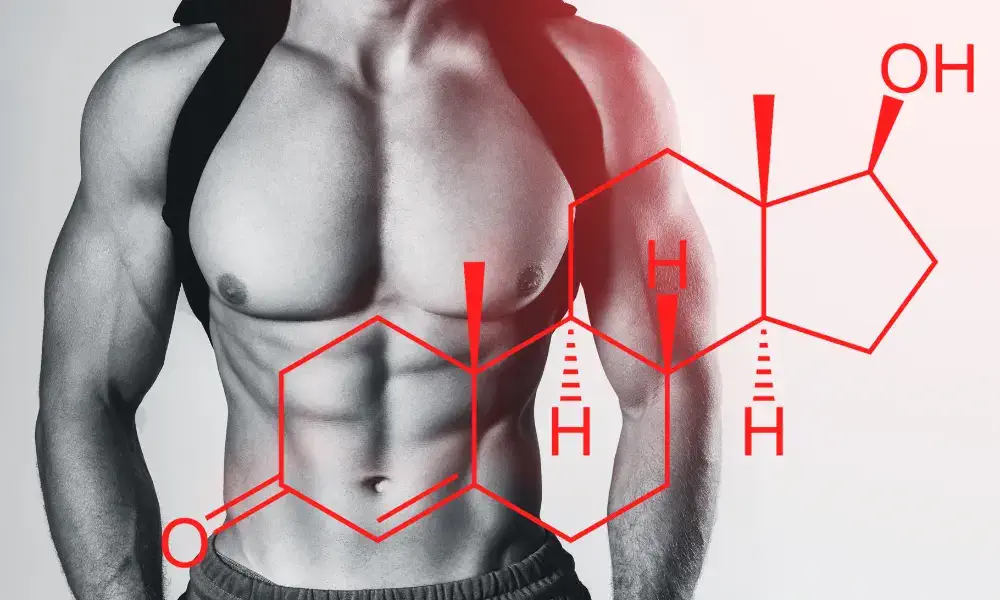
The Androgen-Estrogen Dynamic: Beyond Just Total Testosterone in Men's Health
For decades, discussions about men's hormonal health often centered almost exclusively on testosterone levels. Is your "T" high enough? Is it in the normal range? While total testosterone is undeniably a critical marker, a more sophisticated understanding has emerged, emphasizing that the complete picture involves a delicate interplay, particularly the **androgen-estrogen ratio**. This nuanced perspective, a topic of fervent discussion in men's health communities, especially highlighted in active debates around periods like Jun-15, acknowledges that focusing solely on one hormone overlooks the crucial balance required for optimal well-being. This article delves into why the ratio matters, how it impacts men's health, and what men need to know to truly understand their hormonal landscape.
The Interconnected World of Androgens and Estrogens in Men
Androgens, primarily testosterone, are the hormones most associated with male characteristics. They are vital for muscle mass, bone density, libido, mood, energy levels, and even red blood cell production. However, it's a common misconception that estrogen is solely a "female" hormone. In men, estrogen, mainly estradiol, plays a crucial role in maintaining bone density, regulating libido, contributing to cardiovascular health, and even impacting cognitive function.
The magic – or potential pitfall – lies in the process of *aromatization*. This is when an enzyme called aromatase converts a portion of circulating testosterone into estrogen. This conversion is a natural and necessary bodily function. Problems arise when this process becomes imbalanced, leading to either excessively high or unhealthily low estrogen levels relative to testosterone.
*
High Estrogen: While some estrogen is good, too much can lead to symptoms like gynecomastia (enlarged breast tissue), water retention, decreased libido, erectile dysfunction, fatigue, and mood swings. It can also exacerbate issues like benign prostatic hyperplasia (BPH) and may be a concern in certain prostate conditions.
*
Low Estrogen: Conversely, estrogen that's too low in men, often a result of over-aggressive estrogen management or certain conditions, can lead to decreased bone mineral density, joint pain, impaired lipid profiles, decreased libido, and a general feeling of malaise.
Therefore, simply having "high testosterone" isn't enough if a significant portion of it is being converted into estrogen, leading to an unfavorable ratio. The discussions that gathered momentum around Jun-15 and continue to evolve underscore that a truly healthy hormonal profile involves not just adequate androgen levels but also a balanced proportion of estrogens to support all physiological functions.
Why "Total Hormones" Aren't the Whole Story: The Role of Bioavailability
While total testosterone measurements are a standard starting point, they don't always tell the full story of how much testosterone is actually available for your body to use. This brings us to the concept of bioavailability.
Most testosterone in the blood is bound to proteins, primarily Sex Hormone Binding Globulin (SHBG) and albumin. Only a small percentage, known as "free testosterone" and "albumin-bound testosterone" (collectively, "bioavailable testosterone"), is readily available to exert its effects on target tissues.
*
Total Testosterone: Measures all testosterone, both bound and unbound.
*
Free Testosterone: Measures only the unbound testosterone, which is biologically active.
*
SHBG: A protein that binds to testosterone (and estrogen), making it inactive. High SHBG can mean that even if your total testosterone is "normal," your free testosterone could be low, leading to symptoms of low T.
Consider a scenario where a man has a seemingly "normal" total testosterone level. If his SHBG is also very high, then his free and bioavailable testosterone might be functionally low, leading to symptoms like fatigue, low libido, and cognitive fog. Furthermore, even with good free testosterone, if his aromatization rate is high, leading to elevated estrogen levels, he could still experience negative symptoms related to an unfavorable androgen-estrogen ratio.
This highlights why comprehensive testing, including total and free testosterone, estradiol (E2), and SHBG, is crucial for truly understanding a man's hormonal status. Relying solely on total testosterone can be misleading and lead to misdiagnosis or suboptimal treatment strategies. The ongoing debate, invigorated around periods like Jun-15, emphasizes this holistic view.
Navigating Hormonal Interventions: TRT and Personalized Care
When men experience symptoms of hypogonadism (low testosterone), Testosterone Replacement Therapy (TRT) is often considered. TRT can significantly improve quality of life, boosting energy, libido, mood, and muscle mass. However, it's not a one-size-fits-all solution and requires careful monitoring and personalized care.
One common concern with TRT is the potential for side effects. For instance, exogenous testosterone can suppress natural testosterone production, leading to
TRT Testicular Atrophy & Infertility: What Men Need to Know. This is a critical consideration for younger men or those desiring to maintain fertility. Doctors often discuss strategies like HCG co-administration to mitigate this risk.
Another factor is the method of TRT administration. As highlighted in discussions around specific formulations like oral testosterone undecanoate (Kyzatrex™), different methods can have varying impacts on other health markers, such as ambulatory blood pressure. Careful selection of the TRT modality and ongoing health monitoring are paramount. Even less commonly discussed impacts, such as testosterone's role in meibomian gland (eyelid) dysfunction, illustrate the widespread and sometimes unexpected influence of hormonal balance throughout the body.
Furthermore, certain medical histories necessitate an even more cautious approach. For men who have undergone a prostatectomy, the decision to pursue TRT requires thorough evaluation and close consultation with specialists, as explored in articles like
TRT After Prostatectomy: Navigating Testosterone Replacement.
The Role of Aromatase Inhibitors (AIs)
In some TRT protocols, men might develop high estrogen levels due to increased aromatization. In such cases, an aromatase inhibitor (AI) may be prescribed to reduce the conversion of testosterone to estrogen. While effective, AIs must be used cautiously. Overtreatment can lead to dangerously low estrogen levels, resulting in symptoms like joint pain, anxiety, and bone density issues. Finding the right balance is key.
Beyond Blood Tests: Clinical Symptoms and Holistic Health
It's crucial to remember that laboratory numbers are guides, not the sole determinants of health. A man's clinical symptoms – how he feels, his energy levels, mood, libido, and overall well-being – are equally important. A good physician will always integrate blood work with a thorough symptom assessment.
Moreover, lifestyle factors profoundly impact hormonal health. Diet, exercise, stress management, and adequate sleep all play significant roles in maintaining a healthy androgen-estrogen balance. Incorporating these elements into a holistic approach can often optimize hormone levels naturally or support TRT's effectiveness.
Conclusion
The journey to optimal men's health is far more intricate than simply chasing a high total testosterone number. As the robust debates around periods like Jun-15 have shown, a comprehensive understanding hinges on appreciating the delicate and vital androgen-estrogen ratio, alongside free testosterone and SHBG levels. This nuanced perspective acknowledges the broad impact of hormones across various bodily systems, from muscle and bone health to fertility and even eye function. Ultimately, personalized care, thorough diagnostic testing, a focus on clinical symptoms, and a commitment to holistic well-being are the cornerstones of truly effective men's hormonal health management. Always consult with a qualified healthcare professional to navigate your unique hormonal landscape.